


Columbia River Walleye Fishing: How to Catch Walleye
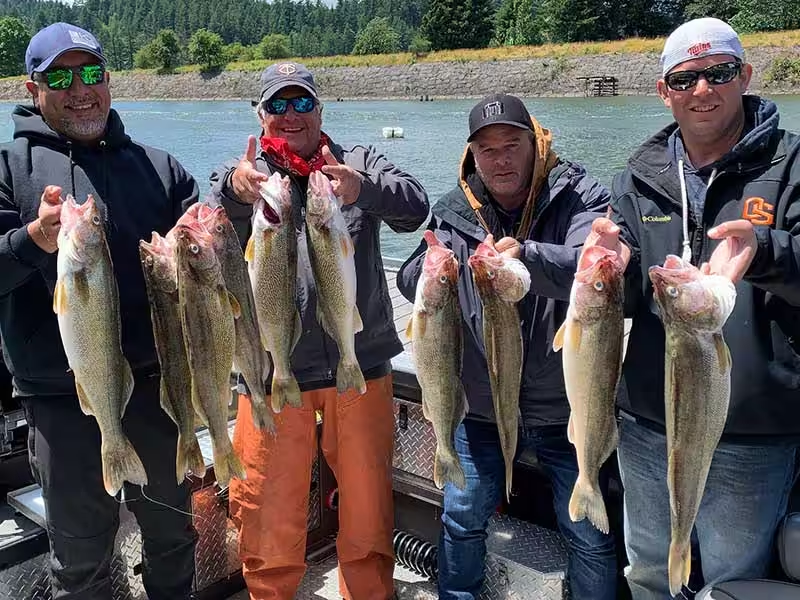
How to Catch Columbia River Walleye
As the weather and water begin to warm, it’s a perfect time for a Columbia River walleye fishing trip. Take me to a section of the Columbia I have never fished and I’m an excited angler. The Columbia River has lots of river miles that have never seen a walleye angler. It’s not only nice to get away from the crowds but exciting to figure out where these fish are as well as what they are going to bite in the current conditions. I have fished sections of the Columbia where I’ve never seen another fisherman and had some of my most successful days. Walleye can be one of the easiest fish to catch as well as one of the most finicky fish in the Columbia River! If you want to know how to catch walleye consistently, you must be willing to adapt.
1. Locating Columbia River Walleye
Walleye are like any fish; if you cannot find them, you are not going to catch them! Your best tools are your eyes and your sonar. Here is what to look for when learning how to catch walleye in new territory.
- Tributaries and I mean all of them hold Walleye. The Tributaries of the Columbia create current as well as cool water temperatures that hold shrimp, eels, and baitfish. This is especially true in the late spring and summer months.
- Rocky bottoms and sand bars often hold fish. They are hiding and feeding spots for salmon smolt, perch and baby shad, all of which are on the walleye’s diet.
- Islands and underwater reefs appeal to walleye. When hit with waves or fast running current they can provide good action. Target the deep-down river edges for big fish.
- Drops, humps, sand bars and current seem are a favorite feeding spot for walleye. I fish from 25 to 50 feet in the spring and shallower areas of 15 to 25 feet in the summer months.
- River mouths and the backwaters of the Columbia with healthy vegetation will draw perch and other baitfish in the summer months. These are great places to target walleye. Knowing how to catch walleye often means finding where the big females go to rest after leaving their spawning areas.
2. Columbia River Conditions- where to fish and when
After you have found potential fishing locations, decide when and how to catch walleye most effectively. Remember that a walleye can change what they do at any second!
- Dusk and dawn are the walleyes’ prime feeding times. Walleye see very well in low light conditions, but a lot of their prey cannot. You will often find them feeding shallow water along seams, points and islands in low light conditions.
- Cloudy days can also be fantastic for catching fish. They cause another low light situation that can really get the walleye feeding. It’s another situation where if you find the food, you find the fish. Walleye love to ambush their prey on cloudy, windy days.
- A “walleye chop” is wind that breaks up the water’s surface and diffuses the light. This is a great time to fish shallow weed beds, shallow underwater islands and the sides of any structure the waves are smashing against. Or any other place, the water may stir up an easy meal.
- Sunny days with zero wind can be a challenge. Spend your time focusing on deep open water or structure. Iven also had some epic fishing days, fishing at the mouth of some of the Columbia River tributaries or any shaded are bait fish might hide.
3. Advanced Lure Selection and The Power of Live Bait
While many people stick to one method, knowing how to catch walleye requires a diverse tackle box. Blade baits are an often overlooked tool on the Columbia. These metal lures produce a high frequency vibration that can be felt from a distance. They are perfect for catching fish that are holding tight to deep ledges in open water. A well placed blade bait can trigger a reaction strike when nothing else works.
However, there are days when the fish are incredibly picky. This is when you switch to live bait. Nothing in the world is more effective than fresh night crawlers dragged slowly along the bottom. The scent trail created by night crawlers can draw fish in from feet away. If the bite is slow, try “stacking” your bait by adding a small piece of worm to your blade baits or jigs. This combination of vibration and scent is a deadly secret for how to catch walleye. Using live bait is especially effective during the post-spawn transition when big females are recovering and looking for an easy, high protein meal.
4. Mastering the Water’s Surface and Sunlight
The way light interacts with the water’s surface dictates exactly where the walleye will be positioned. Because walleye have specialized eyes meant for low light, they will often flee to deeper open water when the sun is high. If you are fishing mid-day, your strategy for how to catch walleye must shift to deeper zones or areas with heavy overhead cover.
On days when the water’s surface is glass calm, the fish can become very sensitive. This is when you need to extend your lead cores or use side planers to get your lures away from the boat’s shadow. Catching fish in these conditions requires a stealthy approach and lighter fluorocarbon leaders. Conversely, when the wind picks up and creates a chop on the water’s surface, you can often find fish in much shallower areas than you would expect. This oxygenated water attracts baitfish, and the broken light gives the walleye the ultimate hunting advantage.
5. Seasonal Patterns and Staying on the Bite
To truly master how to catch walleye, you must understand the calendar. Early in the year, focus your energy near spawning areas. These are typically rocky shorelines or gravel bars with moderate current. As we move into late spring, the fish disperse. This is the time to cover ground. Using your trolling motor to pull worm harnesses through open water can help you locate these migrating schools.
As the summer heat sets in and water temperatures peak, the fish will seek the deepest, coolest holes available. How to catch walleye in the heat of August often involves vertical jigging with heavy spoons or blade baits in 40 to 60 feet of water. It is much more fun when you can drop a lure and get an immediate strike from a school of hungry fish.
When you find the right combination of depth, speed, and bait, the Columbia River provides a world class experience. Whether you are targeting big females or looking for a limit of “eaters,” the river always has something to offer. Learning how to catch walleye is about more than just the fish; it is about understanding the rhythm of the river itself.
My favorite fishing lures and Tactics
These are my 3 favorite methods for Catching Columbia River Walleye. I almost always exclusively troll when I’m fishing new water or looking for Walleye. It is a great way for beginners or seasoned veterans to catch lots of Walleye. Once I have found big schools of walleye I will often jig. This is a method that takes a little more skill and is difficult in windy conditions.
Berkley Flicker Shad
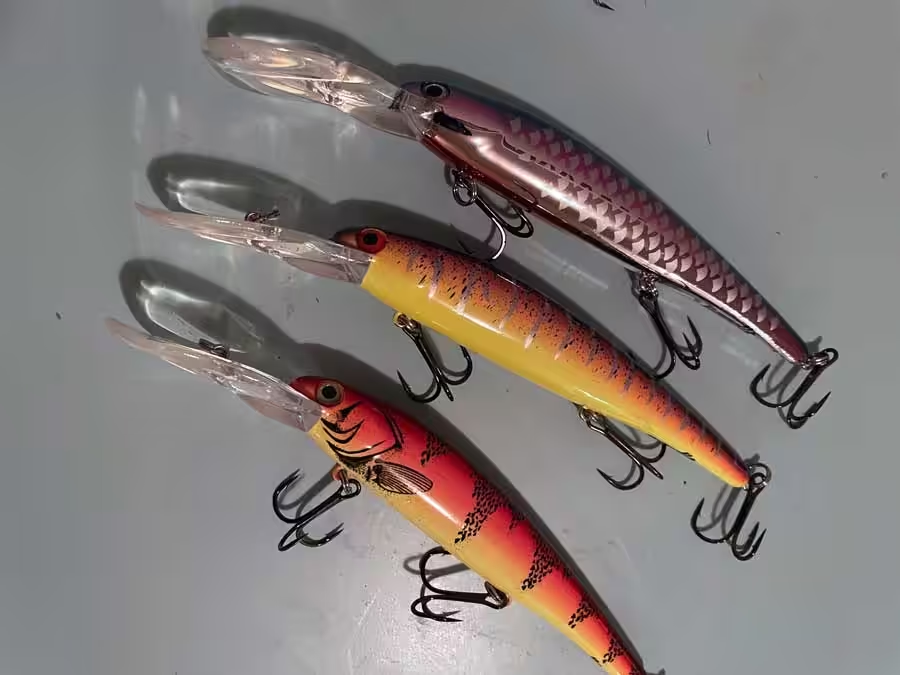
Trolling Plugs
Trolling covering lots of water is a great way to find and catch walleye. Use the shallow diving Berkley flicker shad around shallow shorelines, reefs and the mouths of the tributaries. This is a very reliable way to catch Columbia River walleye.
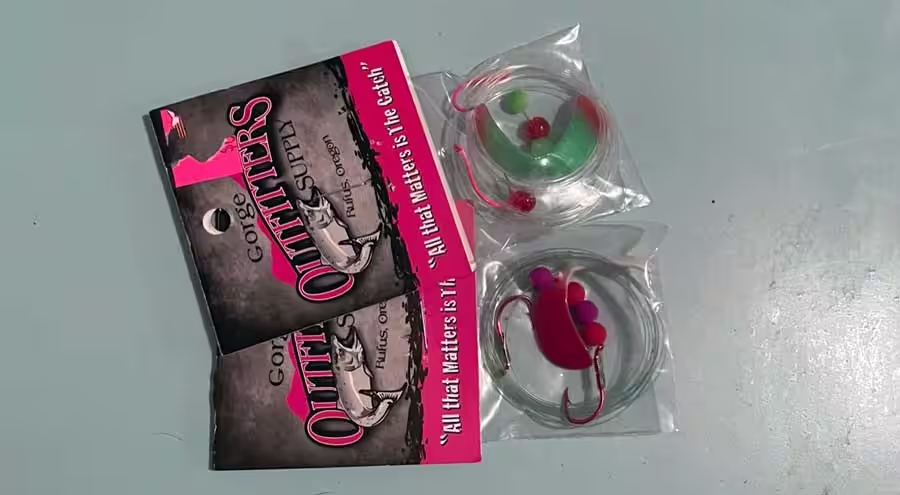
Gorge Outfitters Worm Harness.
Helicopter Rig
The helicopter rig Is deadly in shallow or deep-water situations. I run them behind a 3-to-4-ounce bottom walker. Tip them with a nightcrawler, rubber grub or Berkley minnow. You can troll the shallow water or the deeper channels. Always keep the bottom walker just tapping the bottom. If you aren’t tapping, you’re not fishing.
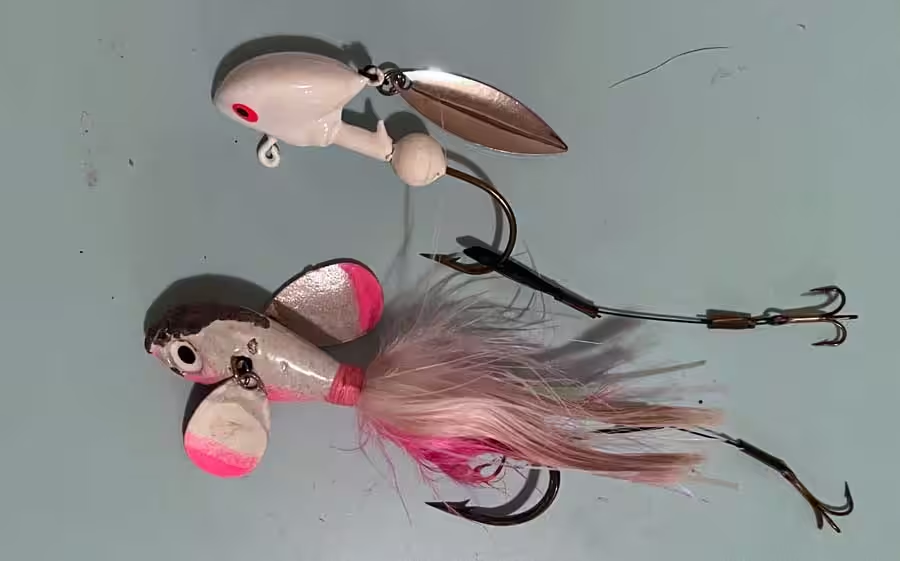
Gorge Outfitter Custom Jig
Jigging
Jigging is a tried-and-true method for catching Walleye. Tip your jigs with nightcrawlers, grubs or fluke minnows. Slowly drifting down the river. Drop your jig to the bottom. Using a quick jerk raise your jig 12 to 24 inches off the bottom then let them slowly fall back to the bottom. This method is best used when you know you are on the fish and can be used from 10 to 60 feet of water. Feel a bite, give a quick jerk and start reeling.
Next time you are out on the Columbia River Walleye Fishing give these methods a try. It just might change your day!
Book Your Next Columbia River Fishing Adventure
Ready to put these tips to the test and experience the thrill of catching fish on the legendary Columbia? Don’t spend your valuable time guessing where the big fish are hiding. Contact us today to reserve your date and learn how to catch walleye like a pro. From finding the perfect next spot to mastering the nuances of the water’s surface, we are here to ensure your day on the river is one for the record books!