


Why Are Columbia River Salmon So Hard to Catch Some Days?
Some salmon fishing days begin exactly the way an angler hopes. The rods go in, the first bite comes quickly, and soon everyone has a fish story to tell. Then there are days when the salmon seem to have missed the plan entirely.
The fish may be in the river. The run may be strong. The weather may even look favorable. Still, the bite can remain quiet for hours. If you have wondered why salmon are hard to catch on days that should produce good fishing, the honest answer is that salmon respond to a combination of conditions. A change in current, water temperature, light, tide, fishing pressure, or presentation can affect how they move and whether they strike.
At Columbia River Fishing Adventures, we know a slow start does not have to become an unsuccessful trip. Some of our most satisfying days are the ones when we have to observe, adjust, move, and keep working. That is where local experience, patient clients, and clean execution matter.
[ez-toc]
Quick Answer: Why Are Salmon Hard to Catch?
Salmon can be difficult to catch because they are migratory fish traveling through a constantly changing river. Their depth, route, speed, and willingness to strike may shift with:
- Water temperature and river flow
- Tides in the lower Columbia River
- Sunlight, weather, and water clarity
- Boat traffic and fishing pressure
- The timing of each group of migrating fish
- Lure depth, speed, color, scent, and action
- Angler readiness when a bite finally comes
No single factor explains every slow day. Usually, several pieces of the puzzle have changed at once.
Salmon Are Moving Through a Living River
The Columbia is an enormous river system with channels, current seams, tributary mouths, dams, shallow flats, and deep travel lanes. Salmon moving upriver do not spread themselves evenly across all that water.
They use routes that help them conserve energy. Sometimes, fish may travel along a current edge, settle into deeper water, or pause near structure. A spot that produced several hookups yesterday may be quiet today because the fish have moved through, changed depth, or followed another lane.
This is one reason why salmon are hard to catch consistently. Anglers are not simply trying to find fish somewhere in the river. They must put the right presentation in front of salmon at the depth and speed they are using right now.
Our article about the Columbia River salmon morning bite explains how current, depth, structure, light, and pressure can influence early fishing opportunities.
Seven Reasons the Salmon Bite Can Slow Down
1. The Fish Changed Depth
Salmon don’t stay at one depth all day. Brighter light, current changes, temperature, and boat activity may move fish deeper or toward another travel lane.
If the gear continues fishing above or below that zone, a boat may pass over salmon without getting a bite. A guide may respond by changing weight, line angle, trolling speed, or lure depth. Seeing fish on electronics does not automatically mean catching them. The presentation still has to reach them correctly.
2. River Flow Alters Their Route
Flow affects more than how fast the boat moves. It changes current seams, lure action, debris movement, and the paths migrating salmon use to conserve energy.
When flow changes, productive water may shift. Salmon could move closer to an edge, enter a deeper channel, or hold behind a current break. Sometimes changing location matters more than repeatedly covering water that is no longer producing.
3. The Tide Changed
Near Astoria and Buoy 10, tides add another variable. Incoming and outgoing tides affect current speed, bait movement, and where salmon travel or stage.
The bite may slow during one part of the tide and improve when the water begins moving again. No tide guarantees action, but an experienced guide can organize the trip around promising windows. Our guide to fishing Buoy 10 in August offers more information about this popular fishery.
4. Light and Weather Shifted
Cloud cover, bright sun, wind, and surface conditions affect visibility below the water. A color or flash pattern that stands out during a dark morning may look different under full sun. Salmon may also travel deeper as the day grows brighter.
Guides often rotate colors and adjust lure action or depth instead of relying on one setup all day. These should be thoughtful changes based on current conditions, not random guesses.
5. Fishing Pressure Increased
Popular salmon fisheries can become busy during strong runs. More boats mean more noise, more lines, and repeated exposure to similar presentations.
Fishing pressure does not make salmon impossible to catch. It may make a quiet approach, a different trolling line, or a less crowded stretch more productive. Sometimes patience is the right choice. On other days, leaving the fleet may be better.
6. Salmon Are Arriving in Pulses
A run is not one solid wall of fish moving upriver at the same speed. Salmon typically arrive in groups. A productive window may be followed by a lull before another group enters the area.
That helps explain why several boats may hook up after a quiet stretch. The conditions may not have changed much. Fresh fish may simply have arrived. Anglers planning ahead can read our seasonal guide to fish in the Columbia River to understand how opportunities change during the year.
7. Small Mistakes Matter on Slow Days
When salmon are aggressive, anglers can sometimes get away with an imperfect setup. During a difficult bite, details carry more weight. A tangled leader, incorrect speed, poor rod position, or delayed reaction may cost one of the day’s few opportunities.
Good teamwork helps. Lines must go out cleanly, anglers need to listen, and everyone should be ready when a rod goes down. One bite can become a landed fish when the whole boat works together.
What an Experienced Guide Does During a Slow Bite
A quiet bite is not a signal to quit. It is a reason to gather information. A guide may:
- Identify whether fish are present and how deep they are
- Watch current, tide, wind, and boat movement
- Inspect lures and leaders for proper action
- Change speed, color, scent, or depth with a clear purpose
- Compare activity across known travel lanes
- Move when the evidence supports a better location
- Keep the boat organized so the next chance counts
This is where experience on the river becomes valuable. Buddy Dupell brings over 20 years of fishing experience on the Columbia River and nearby waters. That history does not make salmon predictable, and no responsible guide can promise a limit every day. It does help him recognize patterns, eliminate unproductive options, and make informed decisions when conditions get difficult.
Learn more about the fishery and trip experience on our page about guided salmon fishing on the Columbia River.
A Real Day on the River: Patience Paid Off
One recent trip offered a good example of why salmon are hard to catch even during a time of year when fishing is expected to feel easier.
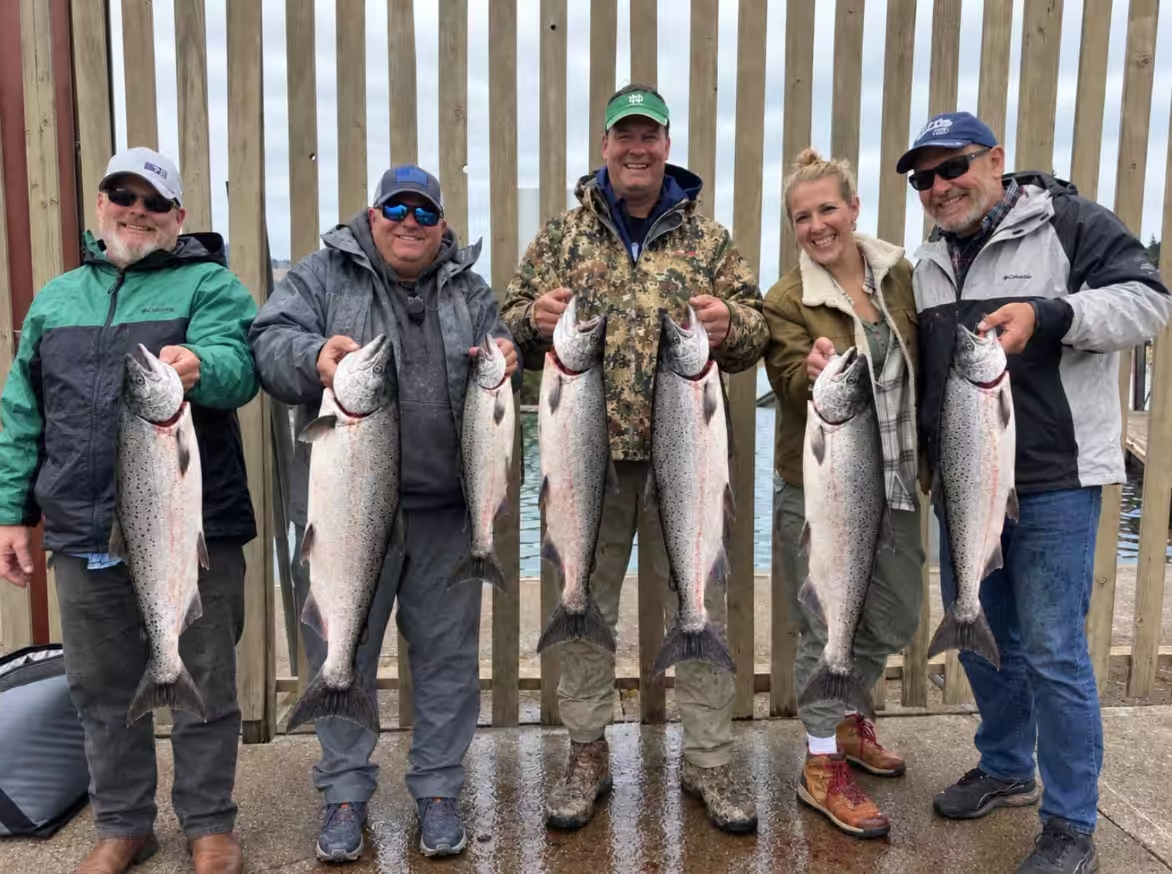
The bite did not come freely. We worked for every opportunity, while our clients stayed patient and followed directions. The boat remained organized, and not a single tangle interrupted the effort. When opportunities finally came, the anglers were ready.
We put good salmon in the net, released darker fish, and kept working. By the end of the trip, the group had a beautiful catch of bright Columbia River salmon and plenty of laughs to go with it.
That result was not about a secret lure or one lucky pass. Several factors came together:
- A patient group that stayed engaged
- Clean lines and clear communication
- Willingness to change locations or tactics
- Careful decisions about which fish to retain
- Readiness when short bite windows appeared
This experience is not an isolated example. A recent review on the Columbia River Fishing Adventures website describes fish being slow to bite in the morning, followed by the guide continuing to search until the six-person group enjoyed an excellent catch. Another guest praised Buddy for being willing to move and find biting fish. These stories cannot guarantee the outcome of a future trip, but they demonstrate the value of persistence and local knowledge.
What Anglers Can Do to Help
Guests do not need decades of experience to contribute to a successful day. A few habits make a difference.
Listen Before the Bite
Pay attention when your guide explains how to lift the rod, manage the line, and reel during a hookup. It is much easier to learn while the boat is calm than when a salmon is pulling hard.
Stay Ready
A quiet hour can lead to a very busy minute. Remain aware of the rods and be prepared to respond when your guide calls out a bite.
Prevent Tangles
Tangles remove gear from the water and can interfere with another angler’s fish. Follow instructions about rod position and check before moving around the boat.
Trust Purposeful Adjustments
Moving after fishing one location for a while can feel inconvenient, but a different depth, route, or area may be exactly what the day requires.
Enjoy the Whole Experience
Every trip also brings river scenery, wildlife, conversation, and time with friends or family. Enjoying more than the fish count helps everyone stay patient and focused.
Preparing for a lower-river trip? Use our Buoy 10 charter packing guide to arrive comfortable and ready.
Does a Slow Morning Mean a Slow Day?
No. Salmon fishing can change quickly. A tide begins moving, cloud cover arrives, a new group of fish enters the area, or a depth adjustment finally places the lure in the right zone.
The reverse is also true. A fast morning does not promise steady action all day. That uncertainty is part of salmon fishing. Success often belongs to the boat that remains attentive and adapts instead of assuming the next hour will look like the last one.
Experience the Challenge and Reward
Understanding why salmon are hard to catch can make a difficult day less frustrating and more interesting. Flow, tides, depth, light, fishing pressure, migration timing, and presentation may all influence the next bite.
That is also what makes a hard-earned salmon memorable. When a group stays patient, the lines remain clean, and the right adjustment creates an opportunity, putting that fish in the net feels earned.
Columbia River Fishing Adventures welcomes beginners, families, and experienced anglers. With over 20 years of local fishing experience, Buddy Dupell understands how to adapt when salmon make everyone work a little harder.
Ready for your day on the water? Book your Columbia River fishing charter to ask about available dates and seasonal opportunities.