


Columbia River Fishing: What You Need to Know About Springtime Runoff
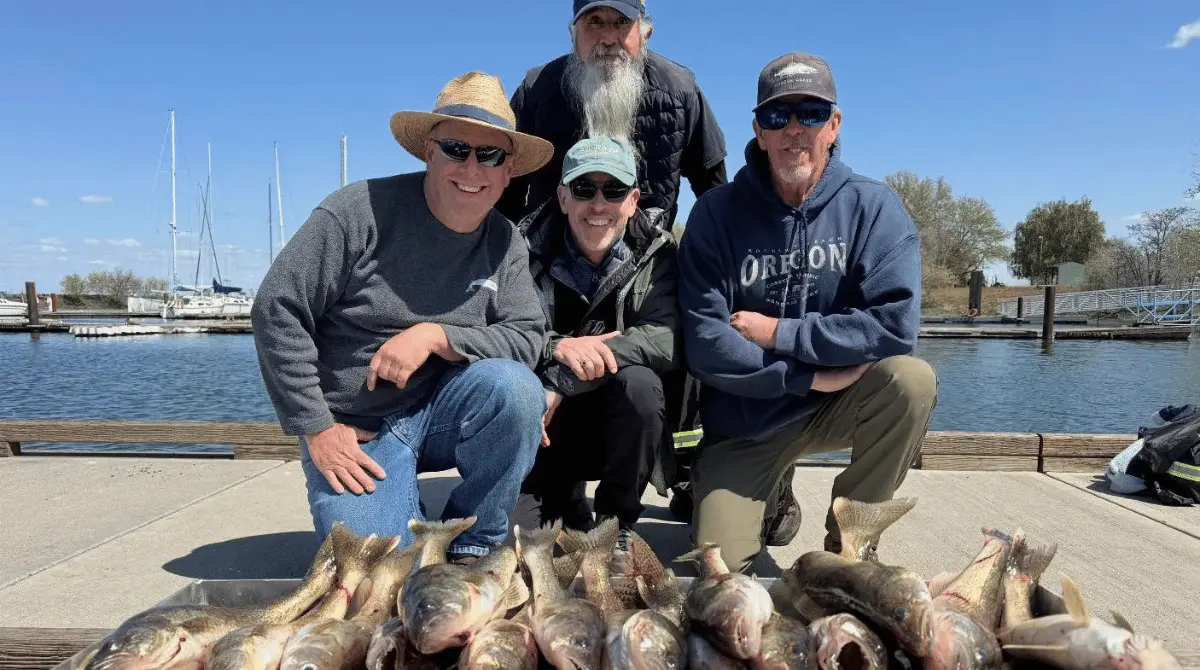
In a nutshell, Columbia River fishing is considered thrilling because of its massive, diverse fish runs – from legendary Salmon and Steelhead to White Sturgeon species – packed into a scenic, large-scale river system. High-volume action, meanwhile, is experienced by anglers concerning Smallmouth Bass (often 50 a day) and Trophy Walleye, alongside intense seasonal fight-heavy Salmon fishing. For those looking to experience some of the finest angling action in the Pacific Northwest, there’s no better place to cast a line than in the region’s longest waterway.
Into this foray of Columbia River fishing comes what is known as “springtime runoff,” a surge of water over land and into waterways caused by melting snow, ice, and spring rains, generally in response to rising temperatures. Unbeknownst to many, it is a critical yet hazardous part of the annual water cycle that replenishes groundwater and fills reservoirs, but often results in high, fast, and dangerous rivers.
Spring runoff is critical to Columbia River fishing because it acts as something of a “hydraulic conveyor belt,” aiding juvenile Salmon migration to the ocean. As such, it triggers what is known as “biological feasting” for fish due to nutrient influx, and creates high-flow stained water requiring specialized techniques to catch fish in slower, soft-water edges.
Key Aspects of Spring Runoff
While the primary driver, so to speak, of runoff is the aforementioned rising temperatures that melt winter “snowpack,” there are some aspects of this phenomenon that Columbia River fishing enthusiasts should be aware of.
Columbia River Fishing Fun Fact: Spring runoff is often exacerbated by spring rain.
Timing and Intensity
As we mentioned, runoff often begins when temperatures rise sufficiently to melt snow, usually spanning weeks or months. A “rain-on-snow” event, wherein rain falls on existing snowpack, can create a dramatic, rapid runoff.
Hazards
Runoff creates cold, swift, and turbulent water, which is dangerous to recreational users and can cause significant, fast-moving flooding.
Environmental/Infrastructure Impact
Sediment and nutrient runoff may occur, as well, decreasing water quality and overwhelming drainage systems, causing contaminants to enter water supplies.
Significance
According to the National Weather Service, runoff is vital for water supply replenishment, agriculture, and ecosystem health.
Common Risks Associated with Runoff
Managing this surge of water, of course, is crucial for avoiding severe flooding and damage, often requiring infrastructure capable of handling high-volume flows. With this comes several risks during Columbia River fishing, which we’ll look at now.
Flooding
Rapid melting can cause lakes, streams, and rivers to rise above their banks.
Pollution
Runoff carries pollutants such as fertilizers, oil, pet waste, and sediment into waterways.
Water Quality Issues
Runoff can increase turbidity and introduce bacteria into groundwater, often impacting shallow wells.
Bass Fishing in the Columbia River: The Muddy, the Cold, and River Location Concepts
When it comes to Bass fishing, there is nothing more difficult in this sport than trying to catch them in cold, muddy water. Every enthusiast will say the same thing, starting with their belief that it’s not the cold water that presents the biggest issue – it’s the stained, dirty, and less-visible water that creates a difficult task. Smallmouth, in particular, seem to be impacted by this, but it affects all Bass.
If you can identify the source of the cold, muddy water, the simplest thing to do is stay away; in other words, if a tributary on one side of the river seems to be the main issue, work the opposite side of the river. It must be understood that springtime brings backwater sloughs and some of the very tributaries that cause the problem, so the best bet is to get away from runoff. We recommend looking for bays or dead-end sloughs that do not comprise “flow-through” areas – places where runoff has to work its way into but is not running through back into the river.
What we’re trying to say is that the farther you can get away from the source of the cold, muddy water, the better. The furthest part back in these backwaters is going to yield the best water conditions, both in terms of clarity and temperature. As a bonus, the more vegetation – whether emergent or submerged – the water has to pass through to reach these back sections, the better. Vegetation actually acts as a form of filtration, and while the water won’t necessarily be “spotlessly clean,” it also won’t be as muddy.
One of the first tricks, about Bass fishing in the Columbia during spring runoff, is deciding what is “normal” for the body of water you’re dealing with. Bass are conditioned by normal light penetration patterns, and any deviation from that causes them to adjust. The poorer the visibility, the less their chances for a successful feed. When water is cold, their metabolism is also cranking along slowly…and with less need to feed plus less ability to feed, there’s less bites for the fishing enthusiast.
If you are forced to engage in Columbia River fishing in dirty water, do not hesitate to work in even more shallow and tighter areas than normal. Even if the water temperature is indicating that you should fish deep, water quality trumps temp.
The In’s and Out’s of Highwater Fishing During Spring Runoff
Spring runoff and the highwater season often cause a good deal of intimidation among fishermen, as many people think that the muddy, raging waters are hiding Trout from them. While it’s easy to believe fish like Trout are being locked in murky depths of raging rapids and mudlines, some of the best fishing you’ll find all year can be experienced if you know how to approach this fruitful time of year.
Runoff (or highwater season) typically occurs during the first two weeks of May, and can continue into the early parts of June. As spring arrives, we start to experience high temperatures, heavy rains, and that melting snow we covered in the beginning of the article – all contributing, of course, to local rivers swelling with extra water. Through this early part of the year, many fly fishermen resort to fly tying, pond fishing, and dreaming of hot summer days, but with the Columbia River and its tributaries accounting for about 219,000 square miles of drainage in seven western states, there’s still fish to be found.
Summing Up
Significant spring runoff occurs annually in the Columbia River, primarily driven by snowmelt, with about 60-percent of the basin’s natural runoff occurring from May through July. This peak flow is caused by warm temperatures melting the deep winter snowpack, with mainstem peaks often occurring in early June. While early spring rains can cause some increases, the primary surge is driven by snowmelt, creating high flows in spring and early summer.
Species like Chinook Salmon can be found in the Columbia River system as early as late January, but most anglers typically start their chase around early March. While the bite tends to slow as the rivers swell and slow down from the spring runoff in May, skilled enthusiasts can catch Salmon well into June.
Ready for some serious Columbia River fishing?