


What Is the Best Time of Day to Catch Chinook Salmon?
The alarm goes off while most people are still asleep. Coffee gets poured, jackets go on, and the boat leaves the dock under a dim sky. For many Columbia River anglers, that early start is part of the tradition. It is also often a smart fishing strategy.
So, what is the best time to catch Chinook salmon? Early morning is frequently one of the most productive periods because light is low, temperatures are cooler, and the river may have less boat traffic. However, sunrise is not a guarantee. Tides, river flow, water temperature, seasonal run timing, and salmon movement can make a later window just as productive.
At Columbia River Fishing Adventures, we plan each trip around current conditions rather than relying entirely on the clock. Some mornings begin with immediate action. Others require patience before the right tide or a fresh group of fish changes the day.
[ez-toc]
What Time of Day Is Best for Chinook?
For many Columbia River trips, the period from first light through the early morning offers a strong opportunity to catch Chinook. Lower light can make salmon more comfortable moving through shallower travel lanes, and cooler conditions may support better activity during warm weather.
Still, the best time to catch Chinook salmon varies by location and day. Near the mouth of the Columbia, tide stage may be more important than sunrise. Farther upriver, flow, depth, weather, and fish movement may control the bite. The best approach is to combine an early start with local knowledge and enough flexibility to fish changing conditions.
Why Early Morning Can Be Productive
Lower Light Changes the Water
At dawn, sunlight has not fully penetrated the water. Chinook may travel through areas that feel less comfortable once the sun is high. Low light can also make certain lures and flashers easier for fish to notice without appearing unnatural.
As the sun rises, salmon may shift toward deeper water or different lanes. That does not mean the bite automatically ends. It means the presentation may need to change with the light.
Our guide to the Columbia River salmon morning bite takes a closer look at current seams, depth changes, structure, and the advantages of starting early.
Water Is Often Cooler
Morning water can be cooler than it is later in the day, particularly during warmer seasons and in shallower areas. Temperature influences salmon migration and behavior, although it is only one part of a much larger river system.
NOAA Fisheries explains that Chinook are anadromous fish, living in both freshwater and the ocean during their life cycle. When adults return to rivers, they are migrating toward spawning areas rather than feeding in the same way they did at sea. Their response to a lure can depend on movement, visibility, irritation, and the surrounding conditions.
The River May Be Quieter
Early trips can put anglers on the water before recreational traffic increases. Less disturbance may help in heavily fished areas, and fewer boats can make it easier for a guide to hold a productive line.
This matters during a busy salmon season. Chinook may still be present after boat traffic increases, but they can become harder to approach or may move into another part of the travel lane.
Five Factors That Can Matter More Than the Clock
An early start creates opportunity, but fishing at dawn is not the entire strategy. These five factors often determine whether a time window produces action.
1. Tide Stage
Tides are especially important around Astoria and Buoy 10, where the Columbia meets the Pacific Ocean. Incoming and outgoing water changes current speed, direction, bait movement, and the routes salmon use.
A promising bite might develop before, during, or after a tide change. The exact window can vary with the area and conditions. That is why a guide studies the tide schedule before deciding when and where to begin.
Anglers planning a lower-river trip can read about the role of tides in our guide to fishing Buoy 10 in August.
2. River Flow
The Columbia is always moving, but its flow is not constant. Changing current affects boat speed, lure action, depth, and salmon travel routes. Fish often use current edges or other paths that allow them to move without wasting energy.
When the flow shifts, yesterday’s productive route may not fish the same way today. A guide may change trolling direction, speed, location, or weight to keep the gear working properly.
3. Seasonal Run Timing
The best time to catch Chinook salmon also depends on which run is entering the river. Spring Chinook, summer fish, and fall Chinook do not arrive everywhere at the same time.
Daily movement can come in pulses. A quiet stretch may suddenly improve when a fresh group enters the area. Fish counts and seasonal patterns help with planning, but they cannot predict the exact minute a salmon will pass a particular boat.
For a broader view of seasonal opportunities, visit our guide to fish in the Columbia River throughout the year.
4. Weather and Water Clarity
Clouds can extend lower-light conditions beyond sunrise. Bright sun may push salmon deeper, while wind can affect boat control and the way gear moves. Rain and changing flow can alter clarity, debris, and visibility.
The right presentation on a cloudy morning may not remain the correct choice at noon. Colors, flash, scent, depth, and trolling speed may all need adjustment.
5. Fishing Pressure
Strong runs attract many anglers. Repeated boat passes and similar presentations may make a popular location less productive as the morning continues.
Sometimes staying with a known travel lane is the appropriate decision. On another day, moving away from the fleet can create a better opportunity. Experience helps a guide decide whether patience or movement makes more sense.
Is Midday Chinook Fishing Worth It?
Yes. Midday fishing can produce good Chinook, especially when tide movement, cloud cover, or a new pulse of fish creates an opportunity. Salmon do not stop migrating because the clock reaches noon.
Midday may require a different approach. Guides might:
- Fish deeper water as the sun rises
- Change lure colors or flash patterns
- Adjust trolling speed to match the current
- Move toward a shaded lane, channel edge, or holding area
- Follow fish that have moved upriver
- Time a pass around a favorable tide stage
This is why anglers should not treat sunrise as the only worthwhile period. Early morning may offer an advantage, but the best bite can develop later.
Can Evening Be a Good Time for Chinook?
Evening can provide another lower-light window. Surface activity may settle as traffic decreases, and cooling conditions can change how salmon travel. In some locations, that can produce renewed action.
Whether an evening trip makes sense depends on the fishery, open season, safe operating conditions, and local rules. Salmon regulations can change by area, date, species, and whether a fish is hatchery or wild. Anglers should always review current Oregon fishing regulations and any emergency updates before fishing or retaining a salmon.
A Real Morning on the Columbia
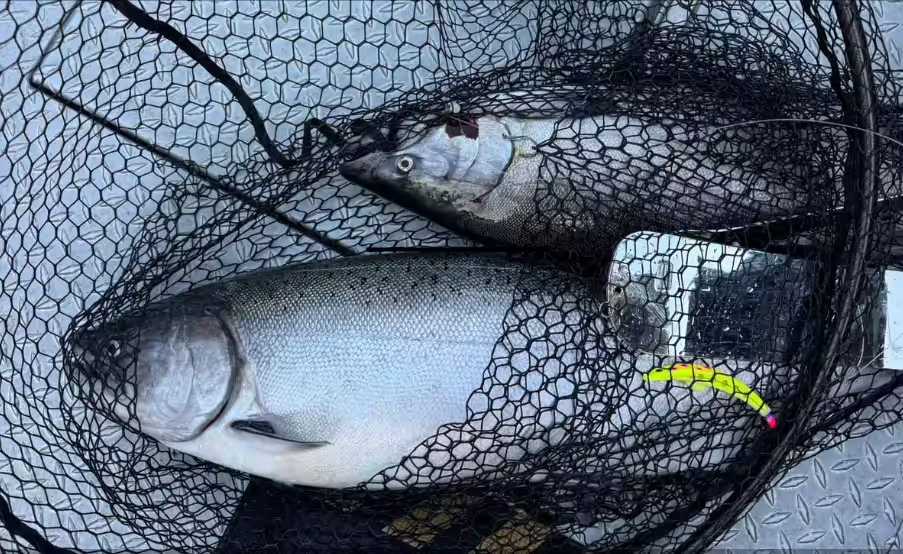
One recent trip showed why anglers appreciate an early start. A beautiful Columbia River Chinook was already in the net, and the rest of the group’s allowed harvest was secured during the morning. It was an exciting result and a great way to begin the day.
The photograph from that trip tells part of the story: freshly caught salmon resting in the net after a productive morning. What it cannot show is all the preparation behind the moment. The guide had to select the area, read the conditions, organize the gear, and keep everyone ready when the rods went down.
Not every morning produces the same result. We have also experienced days when the first hours were slow, and the boat had to keep working. That contrast is important. A productive trip is rarely about choosing a time and waiting for fish to cooperate. It comes from matching timing with location, presentation, and decisions made on the water.
How Experience Shapes the Fishing Schedule
Buddy Dupell has over 20 years of experience fishing the Columbia River and nearby areas. During that time, he has watched productive windows shift with seasons, flow, tides, weather, and salmon movement.
That experience helps answer practical questions before the trip:
- Which section of the river currently offers the best opportunity?
- How early should the boat leave?
- Which tide window should the trip cover?
- What depth and presentation fit the conditions?
- When should the boat remain patient or move?
No guide controls the fish, and responsible fishing services do not guarantee a catch. Local experience does reduce guesswork and helps anglers spend their time in water that makes sense for that day.
If you are comparing seasonal locations and techniques, explore our complete page about guided Chinook and salmon fishing on the Columbia River.
Tips for Making the Most of an Early Trip
A good morning starts before the boat leaves the dock. Guests can help the trip run smoothly with a few simple steps.
Prepare the Night Before
Set out warm layers, rain gear, sun protection, food, drinks, and your fishing license. Confirm the meeting place and arrival time so the group is not rushing at the dock.
Listen to the Rod Instructions
Ask how to respond when a Chinook takes the lure. Picking up the rod too quickly, allowing slack, or reeling at the wrong moment can turn a bite into a missed fish.
Stay Ready During Quiet Periods
Salmon often move in groups. An hour of limited activity can be followed by several quick opportunities. Keep the fishing area clear and remain attentive.
Dress for Changing Conditions
Columbia River mornings can feel cold even when the afternoon forecast looks warm. Layers allow you to stay comfortable as wind, rain, and sunlight change.
Keep Expectations Flexible
The planned fishing area or technique may change after the guide sees the water. Flexibility makes it easier to follow the fish instead of following a schedule that no longer fits.
When Should You Book Your Chinook Trip?
The short answer is to book for the season and location first, then let current conditions help determine the daily departure time. An early morning reservation is often an excellent choice, but a tide-based start may be better in some lower-river fisheries.
When you contact a guide, ask:
- Which Chinook run are we targeting?
- Where will we launch?
- What time should we arrive?
- Is the departure based on sunrise, tide, or both?
- What clothing, food, and license will we need?
These questions give you a clearer picture than simply asking whether morning or afternoon is better.
Plan Your Columbia River Chinook Adventure
Early morning is often the best time to catch Chinook salmon, but it is not a fixed rule. Low light, cooler conditions, and lighter traffic can create a productive window. Tides, river flow, seasonal timing, weather, fishing pressure, and salmon movement may move that window earlier or later.
At Columbia River Fishing Adventures, we use over 20 years of local fishing experience to plan each trip around the river we have today. Whether the first fish comes at dawn or after a patient wait, our goal is to keep the gear working, make thoughtful adjustments, and help guests enjoy their time on the Columbia.
Ready to plan your fishing trip? Call 503-490-3099 to ask about Chinook seasons, available dates, and recommended departure times.