


Salmon Columbia River Morning Bite: Why Early Trips Can Make a Big Difference
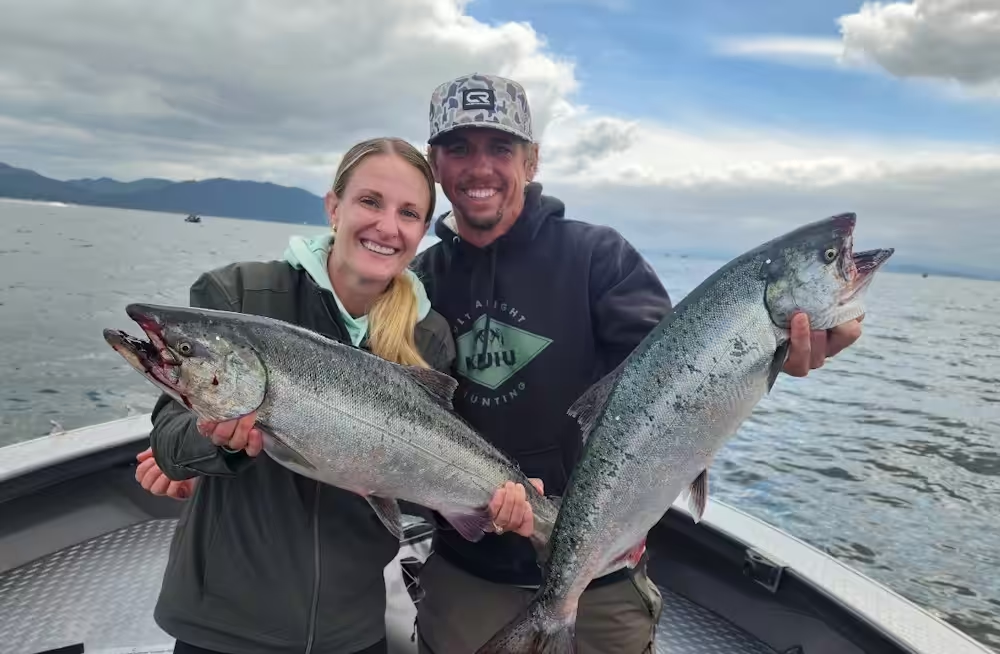
When it comes to fishing for salmon Columbia River anglers know that timing can make a big difference. Some days, the bite feels steady. Other days, the action can turn on fast, especially during the early morning hours when the river is quieter, the light is softer, and salmon are actively moving through their travel lanes.
At Columbia River Fishing Adventures, we have seen how much a morning trip can change the entire experience. The Columbia River is a big, powerful system, and salmon do not move through it randomly. They respond to water temperature, current, structure, depth, light, pressure, and river conditions. That is why getting out early with a guide who understands the river can help you make the most of your trip.
Whether you are visiting the area, planning a family fishing trip, or hoping to catch salmon on one of the most well-known rivers in the Pacific Northwest, understanding the morning bite can help you know what to expect.
Why the Morning Bite Matters for Salmon Columbia River Fishing
The morning bite is one of the most talked-about parts of salmon fishing, and for good reason. Early in the day, salmon can be more active as they move through the river. Cooler temperatures, lower light, and less boat traffic can all help create better fishing conditions.
For many anglers, an early start is not just about being the first boat on the water. It is about being in the right place when salmon are moving, holding, or feeding more aggressively.
When fishing for salmon Columbia River, timing matters because the river itself is always changing. Current speed, water clarity, dam flow, tides in certain sections, and weather can all affect how salmon behave. A productive morning can happen when these conditions come together at the right time.
Why Salmon Move Differently Through the Columbia River
The Columbia River is not a small stream where fish simply swim from one point to another in a straight line. It is a massive river system with changing currents, deep channels, shallow shelves, rocky structure, dams, and long stretches of water that salmon use in different ways.
Salmon are migratory fish. They move through the Columbia River as part of their journey, and their behavior can change depending on the section of the river they are in. Some salmon push steadily upriver. Others slow down in certain areas where the current, depth, or structure gives them a place to rest before continuing.
This is one reason salmon Columbia River fishing can be so exciting. Every section of the river has its own personality. A spot that looks quiet from the surface may have strong underwater movement that attracts salmon. Another stretch may look promising, but lacks the right flow or depth at that moment.
Salmon Follow Energy-Efficient Paths
Salmon do not want to waste energy while moving through a strong current. They often look for paths where they can travel efficiently. These paths may be along current edges, deeper channels, or areas where the water gives them a natural break.
This is why experienced guides pay close attention to river flow. The goal is not only to find water that looks good. The goal is to understand where salmon are likely to travel based on what the river is doing that day.
Morning Conditions Can Help Reveal Movement
During early morning hours, river conditions can make salmon movement easier to predict. Lower light can make fish feel more comfortable moving. Cooler temperatures may also support better activity, especially during warmer parts of the season.
For anglers, this creates an opportunity. Being on the water early gives you a better chance to fish those important travel lanes before the day gets busier.
How Current Seams, Depth Changes, and Structure Affect Salmon Behavior
One of the biggest mistakes new anglers make is thinking salmon fishing is only about casting into open water and waiting. On the Columbia River, small changes in current, depth, and structure can make a major difference.
A good salmon fishing guide studies the river like a map. Instead of just looking at the surface, they think about what is happening underneath the boat.
What Are Current Seams?
A current seam is where two different speeds of water meet. One part of the river may be moving fast, while another nearby section may move more slowly. Salmon often use these edges because they can travel near the faster water without fighting the full force of it the entire time.
These seams can be great places to target during salmon Columbia River trips because they create natural travel routes. Fish may move along these edges, pause near them, or use them as a path upriver.
Why Depth Changes Matter
Depth changes can also influence salmon behavior. A sudden drop-off, channel edge, or deeper pocket can give salmon a place to move or hold. In big river systems, salmon may use deeper water during bright conditions or when they need a break from heavy current.
In the morning, salmon may move from deeper holding areas into more active travel zones. That is one reason early trips can be productive. You are fishing when salmon may be transitioning and moving with purpose.
Structure Gives Salmon a Reason to Hold
Structure can include rocks, ledges, points, channels, and other underwater features. These areas can break up current and create resting spots. Salmon may not hold in one place all day, but they often use structure as part of their movement pattern.
At Columbia River Fishing Adventures, we focus on more than simply getting lines in the water. We pay attention to the details that matter: water speed, depth, structure, weather, and fish behavior. These small details can add up to a better fishing experience.
Why Bonneville, The Dalles, and Main River Areas Can Produce Strong Bites
The Columbia River has several areas known for strong salmon fishing opportunities, including sections near Bonneville, The Dalles, and productive main river stretches. These areas can be attractive because of how salmon move through the river system.
When salmon travel upriver, certain locations naturally concentrate fish. Dams, channels, current breaks, and river features can influence where salmon slow down, move through, or stack up temporarily.
Bonneville Area Salmon Fishing
The Bonneville area is well known among Columbia River anglers because salmon moving upstream pass through this section. Fish behavior in this area can depend on water flow, dam operations, temperature, and seasonal migration timing.
For anglers, this means that fishing near Bonneville is not just about showing up. It is about understanding how salmon respond to conditions on that specific day. Early morning can be especially helpful because fish may be moving before the river becomes more active with boats and changing light.
The Dalles and Nearby Waters
The Dalles area also offers strong potential for salmon fishing, depending on the season and river conditions. Like other productive Columbia River locations, it has current, structure, and movement patterns that can create good opportunities.
Fishing near The Dalles requires knowledge of the water. Depth changes, current speed, and fish travel routes can all shift depending on flow and weather. A guided trip can make the experience easier, especially for anglers who are not familiar with the river.
Main River Areas and Salmon Travel Lanes
Main river areas can also produce strong bites because salmon often travel through defined lanes. These lanes are not marked on the surface, but experienced guides learn how to recognize them through years of fishing and observing the river.
When targeting salmon Columbia River, being in the right lane can be more important than simply covering a large amount of water. Salmon may be moving through a specific depth or current edge, and the right presentation in that zone can make all the difference.
Why Fishing Location Matters More Than Just Fishing Date
Many anglers ask, “What is the best date to fish for salmon on the Columbia River?” It is a fair question, but the better question is often, “Where should we fish based on the conditions?”
The date matters because salmon runs are seasonal. However, location can matter even more on the actual day of your trip. The Columbia River changes constantly, and salmon respond to those changes.
The Same Date Can Fish Differently Every Year
A date that produced great fishing one year may not produce the same results the next year. Water temperature, river flow, salmon run timing, weather patterns, and pressure can all affect the bite.
This is why local knowledge matters. A guide who spends time on the river can make better decisions based on current conditions, not just the calendar.
Salmon Move With Conditions
Salmon do not stay in one place because a calendar says they should. They move with the river. If water conditions change, fish may hold deeper, shift travel lanes, or move through an area at a different pace.
That is why guided salmon Columbia River trips are valuable. A guide can adjust the plan based on what is actually happening on the water.
Morning Trips Give More Flexibility
Starting early gives you more time to find the right water. If one area is not producing, there may still be time to adjust. Morning trips also allow anglers to take advantage of the quieter part of the day before conditions change.
For first-time visitors, this can make the experience more enjoyable. You are not trying to figure out a massive river on your own. You have someone helping you understand where to fish, how to fish, and why certain areas are more promising than others.
What Makes an Early Guided Salmon Trip Different?
A guided morning trip is about more than waking up early. It is about preparation, timing, and understanding the water before the day gets busy.
At Columbia River Fishing Adventures, we want guests to enjoy the experience from start to finish. Whether you are an experienced angler or this is your first time fishing for salmon, a guided trip helps remove a lot of the guesswork.
Your Guide Understands the River
The Columbia River can feel overwhelming because it is so large. A guide helps narrow down the best options based on conditions, season, and fish movement. Instead of randomly choosing a spot, you fish areas with purpose.
Gear and Setup Are Ready
Salmon fishing often requires the right gear, presentation, and technique. On a guided trip, you do not have to worry about figuring everything out on your own. The setup is handled so you can focus on enjoying the experience.
You Learn While You Fish
A good guided trip is also educational. You can learn why salmon use certain areas, how currents affect fishing, and what makes the morning bite special. This makes the trip more memorable, especially for anglers who want to better understand Columbia River salmon fishing.
What Our Guests Say About Salmon Fishing With Columbia River Fishing Adventures
“Had the best time fishing with Buddy today! My husband and I went out for the morning to catch salmon. I am not very experienced with fishing and Buddy was so calm and helpful. He explained to me how to reel in my fish in the heat of the moment. We had so much fun! He even went the extra mile to take us under the bridge on our boat ride back in. Would go again in a heartbeat. ”
Tips for Making the Most of Your Morning Salmon Trip
A little preparation can make your trip even better. Columbia River mornings can be cool, even during warmer seasons, so dressing in layers is always a smart idea.
Dress for Changing Weather
Morning weather on the river can feel different from the afternoon. Bring comfortable layers, rain gear if needed, and sun protection for later in the day.
Arrive Ready to Start
Because timing matters, being ready at the start of the trip helps everyone make the most of the morning bite. Your guide will usually let you know what to bring and when to arrive.
Keep an Open Mind
Fishing is exciting because every day is different. Some mornings start fast. Others require patience and adjustments. Trusting the process and listening to your guide can make the day more enjoyable.
Book a Guided Salmon Trip With Columbia River Fishing Adventures
Fishing for salmon Columbia River is more than just a day on the water. It is a chance to experience one of the most iconic rivers in the Pacific Northwest, learn how salmon move through a powerful river system, and enjoy time outdoors with a knowledgeable guide.
The morning bite can make a real difference because salmon often move more actively during the early part of the day. Cooler temperatures, softer light, less pressure, and strong travel patterns can all work together to create better fishing opportunities.
From understanding current seams and depth changes to choosing the right location near Bonneville, The Dalles, or productive main river areas, success often comes down to knowing where to be and when to be there.
At Columbia River Fishing Adventures, we bring local knowledge, preparation, and a passion for helping guests enjoy their time on the river. Whether you are looking for a memorable fishing trip, hoping to catch salmon, or simply want to experience Columbia River fishing with a trusted guide, we are here to help.