


Columbia River Spring Chinook Above The Dalles Dam: Why the Main River Can Produce Bigger Fish
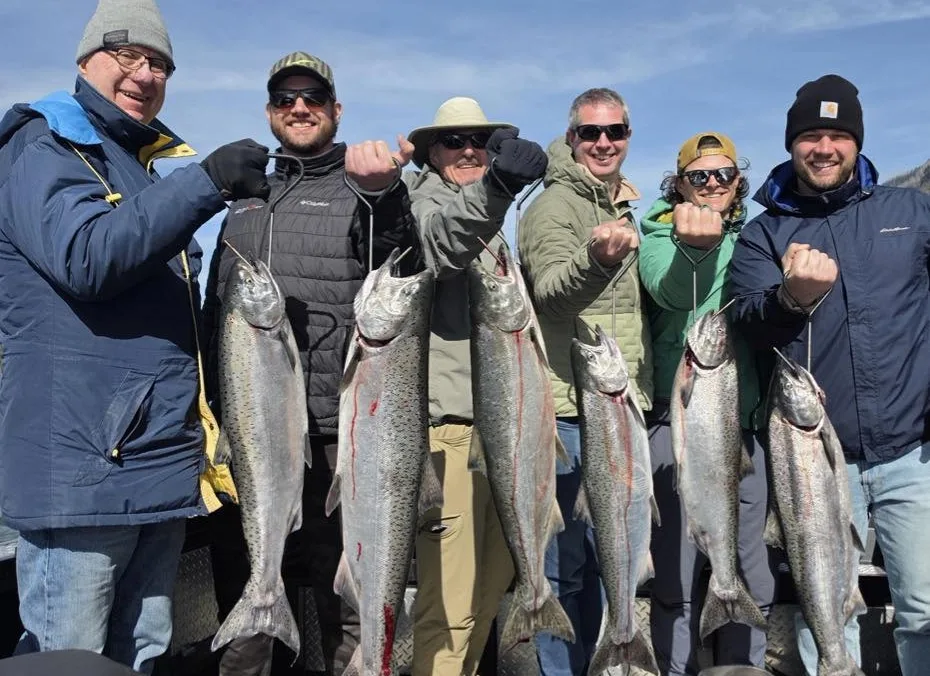
Fishing for Columbia River Spring Chinook above The Dalles Dam is one of those experiences that keeps anglers coming back season after season. The main river has power, depth, current, and structure that can create the right setting for some exciting spring salmon fishing. For many anglers, this stretch of the Columbia is not just another place to fish. It is a place where patience, timing, and local knowledge can make a big difference.
Spring Chinook are known for their strength, flavor, and hard-fighting nature. By the time these fish push through the Columbia River system and move above The Dalles Dam, they are traveling with purpose. They are fresh, powerful, and built for the long journey upriver. That is part of what makes this fishery so special.
At Columbia River Fishing Adventures, we enjoy helping anglers experience this part of the river the right way. The main river above The Dalles Dam can be productive, but it is also technical. Water depth, current speed, boat control, light conditions, and timing all matter. Knowing where to be and when to be there can help increase your chances of connecting with a quality spring Chinook.
Whether you are new to salmon fishing or you have chased Chinook before, this guide will help explain why the main Columbia River above The Dalles Dam can produce bigger fish and why early morning trips are often worth the early alarm.
Why Columbia River Spring Chinook Above The Dalles Dam Are So Special
The stretch of the Columbia River above The Dalles Dam gives anglers a different kind of spring Chinook experience. This is not small-water fishing. This is big river fishing, where current lines, underwater shelves, channels, and travel lanes all play a role.
Columbia River Spring Chinook are often called “springers” by local anglers. These salmon enter the river in spring and move upstream toward their spawning destinations. Compared to some other salmon runs, spring Chinook are especially prized because they are rich, strong, and often considered one of the best-eating salmon in the Pacific Northwest.
Above The Dalles Dam, anglers are fishing a section of river where Chinook have already made their way through lower river pressure. These fish are moving upriver, and they often travel along specific routes based on water flow, depth, and current breaks. That is why understanding the mainstem Columbia River is so important. Fishing this area is not just about dropping a line and waiting. It is about reading the river.
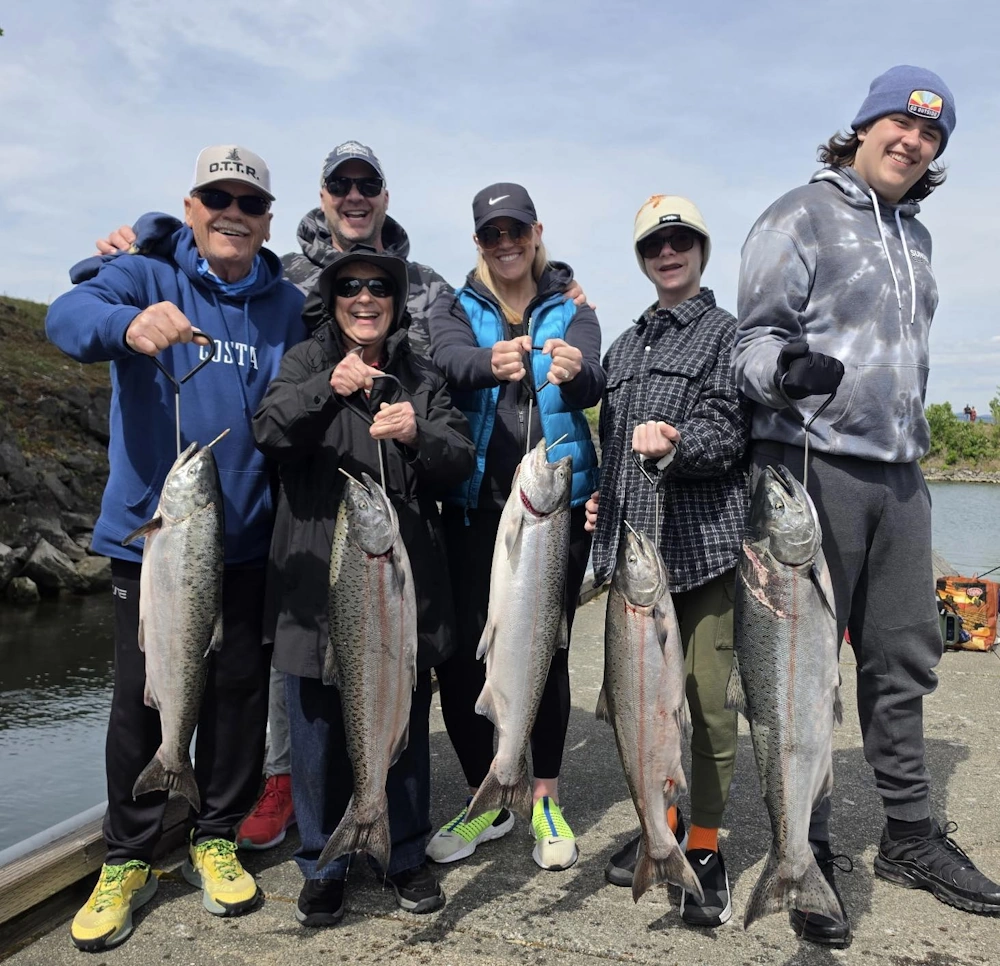
Why Spring Chinook Bite Better at First Light
Many experienced salmon anglers know that first light can be one of the best times to target Columbia River Spring Chinook. There is something about that early morning window that often gets fish moving and feeding more actively.
Cooler, Lower-Light Conditions Can Help
Before the sun gets high, the river feels different. The light is softer, the surface glare is lower, and boat traffic is usually lighter. These conditions can make Chinook more comfortable moving through the river and reacting to a well-presented bait or lure.
Spring Chinook are not always aggressive biters. Sometimes they need the right presentation at the right depth during the right window. Early morning can give anglers a better chance because the fish may be less pressured and more willing to respond.
The First Bite Window Can Be Short
One reason guides like to start early is that the best bite window may not last long. On some days, the action can happen quickly. A boat may wait, watch, adjust, and then suddenly get a strong takedown when the fish start moving.
That is why being ready before the bite happens matters. If you arrive late, you may miss the most productive window of the morning.
For anglers booking a Columbia River fishing trip, this is one of the biggest advantages of going with a guide. A good guide is already planning the trip around timing, light, water movement, and where fish are likely to travel.
Early Morning Gives You a Better Starting Position
Fishing above The Dalles Dam can involve choosing the right lane, depth, and trolling path. Getting on the water early helps position the boat before the river gets busier. It also gives anglers more time to settle in and prepare before the best bite window begins.
At Columbia River Fishing Adventures, we like early starts because they give our guests a real shot at experiencing the river when it is waking up and the fish are moving.
How Sunlight, Water Depth, and River Movement Affect the Bite
Fishing for Columbia River Spring Chinook is not only about the fish. It is also about the river. The Columbia is always changing. Light, depth, flow, current seams, and underwater structure can all influence where fish travel and how they respond.
Sunlight Can Push Fish Deeper
As the sun rises, visibility changes. Bright light can sometimes make Chinook move deeper or become less willing to strike. This is one reason the early morning bite can be so important.
When the light is low, fish may feel more comfortable holding or traveling in shallower lanes. As the day gets brighter, anglers may need to adjust their depth and presentation to stay in the strike zone.
This is where experience matters. On the main river above The Dalles Dam, small adjustments can make a big difference. A few feet deeper or shallower can change the way your bait or lure looks to a traveling Chinook.
Water Depth Creates Travel Lanes
Spring Chinook do not move randomly through the river. They often use deeper channels, current edges, and natural breaks as travel lanes. Above The Dalles Dam, the main Columbia River has depth and structure that can hold or funnel fish through certain areas.
Bigger fish may use deeper water to travel more efficiently. They are conserving energy while moving upriver, so they often choose paths that help them push through current without wasting too much effort.
For anglers, this means finding the right depth is one of the most important parts of spring Chinook fishing. You can have the right bait and the right gear, but if you are not fishing where the fish are traveling, your chances drop.
River Movement Controls Presentation
Current is one of the biggest factors in salmon fishing. The speed and direction of the current affect how your bait moves, how your lure works, and how natural your presentation looks.
Above The Dalles Dam, the river can have powerful movement. This makes boat control extremely important. A guide has to manage speed, angle, depth, and presentation while keeping everything working correctly in moving water.
When the presentation looks natural, you have a better chance of getting a spring Chinook to react. When it is too fast, too slow, too high, or too low, fish may ignore it completely.
That is why guided salmon fishing trips can be so helpful, especially for anglers who are not familiar with the mainstem Columbia River.
What Anglers Can Expect During an Early Morning Columbia River Trip
An early morning Columbia River trip is part fishing, part adventure, and part learning experience. If you have never fished for Columbia River Spring Chinook above The Dalles Dam, the day can feel exciting from the moment you arrive.
A Quiet Start Before the River Gets Busy
Most early trips begin before the sun is fully up. The air may be cool, the river may be calm in places, and the first light begins to show over the water. For many anglers, this is one of the best parts of the day.
The boat is prepared, gear is ready, and everyone gets settled in. Your guide will explain what to expect, where you will be fishing, and how the setup works.
If you are new to salmon fishing, you do not need to worry. A guided trip is designed to make the experience easier and more enjoyable. You can learn as you go.
A Focus on Timing and Position
Once the boat is in position, the goal is to fish the right water during the best part of the morning. Your guide may adjust locations, depth, speed, and presentation based on current conditions.
This is one reason no two Columbia River salmon fishing trips are exactly the same. Some mornings may bring fast action. Other mornings may require patience and steady adjustments.
Spring Chinook can test your patience, but that is also part of what makes landing one so rewarding.
The Excitement of a Spring Chinook Bite
When a spring Chinook hits, the moment can be unforgettable. These fish are strong and determined. A solid bite can turn a quiet morning into a sudden rush of excitement.
The rod loads up, the reel may start working, and everyone on the boat knows something serious is happening. From there, it is about staying calm, following your guide’s instructions, and enjoying the fight.
Whether it is your first springer or one of many, hooking into a Columbia River Spring Chinook above The Dalles Dam is an experience worth remembering.
What Our Guests Say About Fishing With Columbia River Fishing Adventures
“Fantastic time fishing the Columbia with Buddy. We caught our limit of chinook both days, including some really nice-sized fish. Buddy’s rods and reels were the best I’ve ever used, and his custom boat allowed six of us to fish comfortably. But the highlight of our experience was Buddy himself – friendly, courteous, helpful and extremely knowledgeable. A pro’s pro!”
Why Fishing With a Guide Can Help Maximize Prime Bite Windows
The main river above The Dalles Dam can be rewarding, but it can also be challenging. Fishing this stretch requires more than just having the right gear. It takes local knowledge, timing, and the ability to adjust quickly.
Guides Understand the River
A Columbia River fishing guide spends time watching how conditions change. Water levels, flow, temperature, wind, light, and fish movement can all affect the day.
When you fish with a guide, you benefit from that experience. Instead of guessing where to go or how deep to fish, you are fishing with someone who understands how spring Chinook move through the area.
Guides Help You Fish the Right Window
Prime bite windows do not always last all day. Sometimes the best action happens early. Sometimes it happens when the current changes. Sometimes it depends on light, depth, and fish movement lining up at the same time.
A guide helps make sure you are fishing during those key windows instead of spending the best part of the morning figuring things out.
Guides Handle the Details
Spring Chinook fishing can involve a lot of moving parts. Gear, bait, rods, depth, speed, boat position, and river conditions all need attention. When you book a guided salmon fishing trip, many of those details are handled for you.
That means you can focus on the experience, the scenery, and the excitement of the bite.
Why the Main River Can Produce Bigger Fish
The main river above The Dalles Dam has the kind of water that can attract serious anglers. Deep channels, strong current, and long travel lanes can create opportunities for quality spring Chinook.
Bigger Fish Often Use Efficient Travel Routes
Larger Chinook may use deeper and more defined paths as they move upriver. These fish are built for the journey, but they still conserve energy when they can. Deep water and current seams can give them a more efficient route.
This is why simply fishing anywhere on the river is not enough. You need to understand where fish are likely to move and how to put your bait or lure in front of them.
The Mainstem Offers Space and Structure
The mainstem Columbia River gives spring Chinook room to travel. It also provides a structure that can influence their movement. Channels, ledges, current breaks, and depth changes can all create areas where fish pass through.
For anglers, these features are important. They help narrow down where to fish and how to approach the day.
Experience Helps Turn Good Water Into Opportunity
Good water does not automatically mean easy fishing. Even productive areas can be tough if the timing, depth, or presentation is off.
That is why experience on this stretch matters. At Columbia River Fishing Adventures, we use our knowledge of the river to help guests make the most of their time on the water.
Book a Spring Chinook Trip With Columbia River Fishing Adventures
Fishing for Columbia River Spring Chinook above The Dalles Dam is about more than catching a fish. It is about being on the river early, watching the light change, feeling the current, and waiting for that powerful spring Chinook bite.
The main river can produce exciting opportunities, especially when you fish with the right timing and the right approach. From first light to changing current conditions, every detail can matter.
If you are interested in spring Chinook fishing, a guided trip can help you enjoy the experience without having to figure everything out on your own. We provide the local knowledge, gear, boat handling, and guidance needed to help you fish this stretch with confidence.