


How Columbia River Walleye Fishing Guides Track Trophy Fish Year-Round
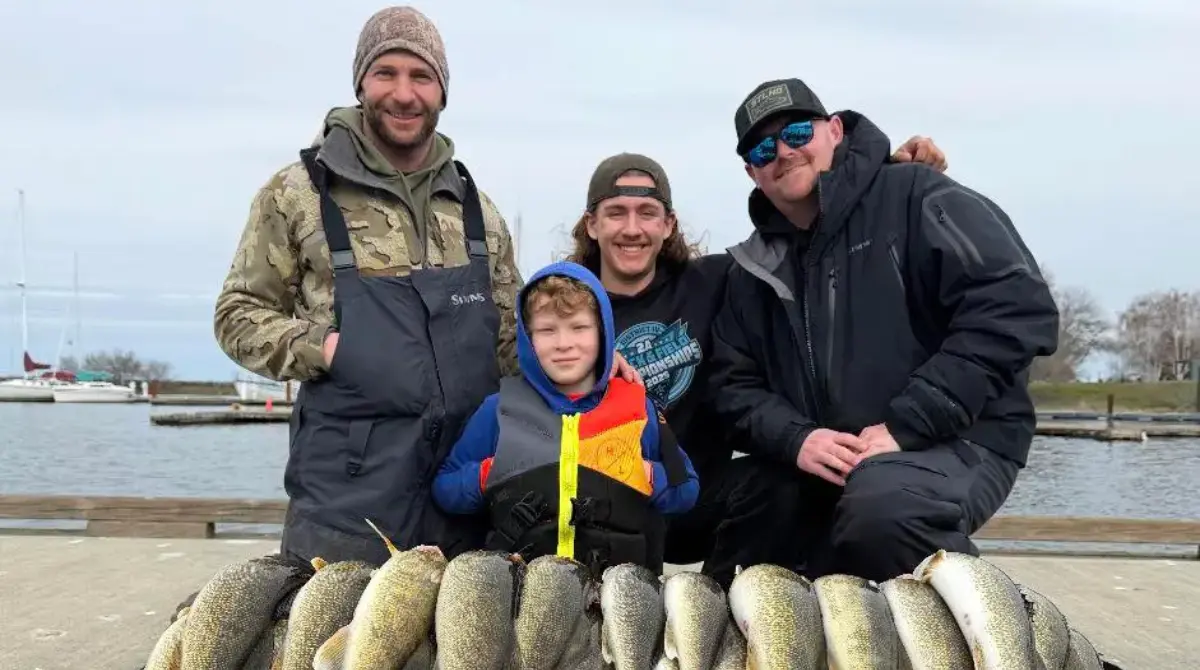
The Columbia River is a majestic, powerful, and often intimidating body of water. To the casual observer, it is a scenic border between Oregon and Washington. To an angler, it is a complex underwater labyrinth that holds some of the largest walleye in North America. However, success on this river isn’t a matter of luck; it is a matter of biology, physics, and seasonal transitions.
At Columbia River Fishing Adventures, we don’t just take people fishing; we provide a masterclass in river dynamics. Tracking trophy walleye requires a deep understanding of how “eyes” react to the river’s ever-changing mood. Whether you are looking for walleye fishing for beginners or you are a seasoned pro hunting for a double-digit “walleye-saurus,” understanding the professional approach to the river is the first step to a successful outing.
Ready to experience the Columbia River like a pro? Book your next guided trip with Columbia River Fishing Adventures today!
The Science of the Chase: Deciphering the River’s “Big Three”
Professional Columbia River walleye fishing guides don’t start their day at the boat ramp; they start it hours earlier, analyzing data. To consistently put clients on fish, we focus on the “Big Three“: Water Temperature, Flow Rates, and Seasonal Migration.
1. Water Temperature: The Walleye’s Biological Clock
Walleye are cold-blooded creatures, meaning their metabolic rate, how much they need to eat, and how fast they move, is dictated entirely by the thermometer.
- The Cold Slump (34°F – 39°F): In the dead of winter, walleye are lethargic. Their “strike zone” is tiny. A guide knows that during this time, you have to practically hit the fish on the nose with your bait to trigger a bite.
- The Spawning Window (42°F – 50°F): This is the “Golden Era” for trophy hunters. As the water warms in late February through April, huge females move toward rocky shorelines and gravel bars to spawn. This is when the state records are usually challenged.
- The Summer Peak (60°F – 70°F): Once the water hits the 60s, the fish become aggressive. They move faster, eat more often, and fight harder. However, they also move deeper to find the high-oxygen water they crave.
2. Flow and Current: Navigating the Managed River
The Columbia is a “working river,” heavily influenced by the Federal Columbia River Power System. When the dams open the gates to generate power or manage snowmelt, the current increases significantly.
Trophy walleye are efficient predators; they hate wasting energy. When the current is ripping, they seek out “current breaks.” These are underwater sanctuaries, behind a massive boulder, inside a deep trench, or on the lee side of an island, where the water is calmer. Walleye fishing guides Columbia River use high-definition side-imaging sonar to locate these micro-habitats where fish stack up to avoid the main force of the river.
3. Seasonal Migrations: The Underwater Highway
Walleye are migratory by nature. They don’t stay in the same “hole” all year. In the spring, they push upstream toward spawning grounds. In the summer, they might spread out across vast flats or drop into the deep channels of the main river. By understanding these “highways,” a guide can predict where the fish will be two weeks before they even arrive.
Masterclass in Columbia River Walleye Fishing Techniques
To be a successful walleye fishing guide, one must be a “jack-of-all-trades.” The technique that caught a limit yesterday might result in a “skunk” today if the wind shifts or the flow drops. Here are the primary methods we use to target trophy fish.
Precision Vertical Jigging
When the water is cold, or the fish are holding tight to specific underwater structures, vertical jigging is king. This is one of the most technical Columbia River walleye fishing techniques. It involves using the boat’s electric trolling motor to fight the current, keeping the line perfectly vertical.
We use heavy lead-head jigs (often 1/2 oz to 1 oz) tipped with a nightcrawler or a high-action plastic tail. The goal is to “dance” the jig just inches off the bottom. For walleye fishing for beginners, this is often the hardest technique to master because the “bite” is often nothing more than a slight change in the weight of the line.
Bottom Bouncing: The Bread and Butter
If you want to cover water and find active fish, bottom bouncing is the answer. This rig consists of a L-shaped wire weight that walks along the river floor, trailing a “spinner” or “slow death” hook with a worm.
This is highly effective for walleye fishing in Oregon during the late spring and summer. It allows us to present a moving bait at the exact depth where walleye are hunting. The vibration of the spinner blade combined with the scent of a real nightcrawler is often too much for a walleye to resist.
Deep Diving Crankbaits
When the fish move into the 15 to 25-foot depth range and are actively feeding on baitfish like shad or sculpin, we switch to trolling crankbaits. By using “line counter” reels, we can pinpoint exactly how much line is out to ensure our lures are ticking the tops of the rocks where the big walleye hide. This is a high-speed, high-adrenaline way to target the most aggressive fish in the system.
Why “Local Knowledge” is Non-Negotiable on the Columbia
Many anglers come from smaller lakes and struggle with walleye fishing Columbia River because they underestimate the scale of the water. On a lake, you might be looking for fish in 500 acres. On the Columbia, you are looking for fish in a system that stretches for hundreds of miles with depths exceeding 100 feet.
Reading the “Foam Lines” and Eddies
An expert guide looks at the surface of the water to understand what is happening 30 feet below. Foam lines often indicate where two currents meet, creating a “buffet line” where baitfish get disoriented and walleye wait to pounce.
Advanced Electronics
We utilize the latest in LiveScope and 360-degree sonar technology. This allows us to see the fish in real-time. We can see how a trophy walleye reacts to our bait, if they turn away, we know we need to change colors or speeds. This level of “on-the-fly” adjustment is what leads to consistent success.
Walleye Fishing Tips for Your Next Adventure
If you’re planning on tackling the river yourself, keep these walleye fishing tips in mind:
- Trust Your Electronics: If you don’t see fish or “bait balls” on your sonar, don’t fish there. The Columbia is too big to fish “blind.”
- Color Matters: In the tea-colored water of the Columbia, “Chartreuse,” “Orange,” and “Gold” are staples. On brighter days, purple or “pro blue” often performs better.
- Check the Drip: Walleye have an incredible sense of smell. Using scents or fresh bait is crucial. If your nightcrawler looks “drowned” and white, change it immediately.
- Safety First: The Columbia can go from calm to 4-foot swells in thirty minutes when the wind kicks up against the current. Always wear a PFD and keep an eye on the horizon.
Here’s a review from one of our past walleye fishing clients.
⭐️⭐️⭐️⭐️⭐️
Fished a few days with Buddy and Travis on the mid Columbia for Walleye. Both excellent guides who will put you on the fish. Top of the line equipment, patient with novice anglers, and dedicated to assuring you have a safe and rewarding experience. You won’t find better people to fish with.
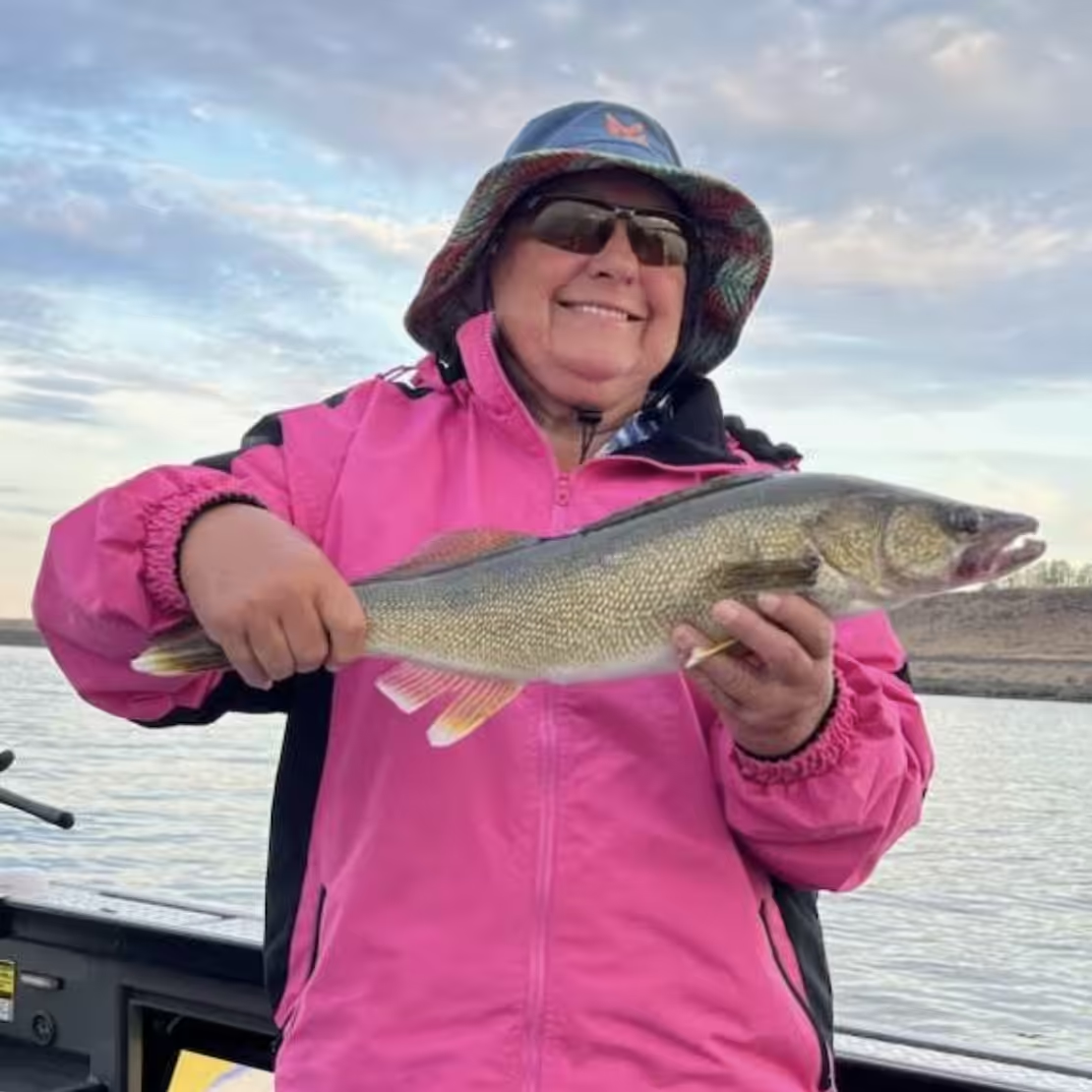 Derald Walker
Frequently Asked Questions (FAQ)
What is the best month for trophy walleye on the Columbia River?
While walleye are caught year-round, March and April are the peak months for true “trophy” fish (10 lbs+). During this time, the females are at their heaviest weight before spawning.
Is walleye fishing for beginners difficult?
It can be challenging due to the river’s current, but with a guide, it is very accessible. We handle the boat positioning and gear, allowing beginners to focus on the feel of the bite and the thrill of the catch.
Do I need a Washington or Oregon fishing license?
Since the Columbia River is a border water, you can generally use a valid fishing license from either Oregon or Washington, provided you stay within the “concurrency” zones. Always check current ODFW or WDFW regulations before heading out.
What should I bring on a guided walleye trip?
At Columbia River Fishing Adventures, we provide the boat, fuel, rods, reels, and bait. You should bring weather-appropriate clothing (layers are best), a hat, polarized sunglasses, and your favorite snacks and drinks.
Where can I find the best walleye fishing in Oregon?
The reaches near Rufus, Boardman, and The Dalles are world-renowned. These areas offer the perfect mix of deep channels and rocky flats that walleye love.
Book Your Masterclass on the Water
Understanding how Columbia River walleye fishing guides track fish is more than just a hobby; it’s a passion for the “chess match” between angler and environment. By respecting the water temperature, mastering the current, and choosing the right technique for the season, we ensure that every trip is an educational and productive experience.
The Columbia River is waiting to give up its secrets, but it doesn’t give them up easily. Let us put our 13+ years of fishing experience to work for you. Whether you want to learn the nuances of the river or simply want to feel the weight of a giant walleye on the end of your line, we are ready to take you there.
Stop guessing and start catching. Contact us – Columbia River Fishing Adventures and secure your date today!